5 Mins Read
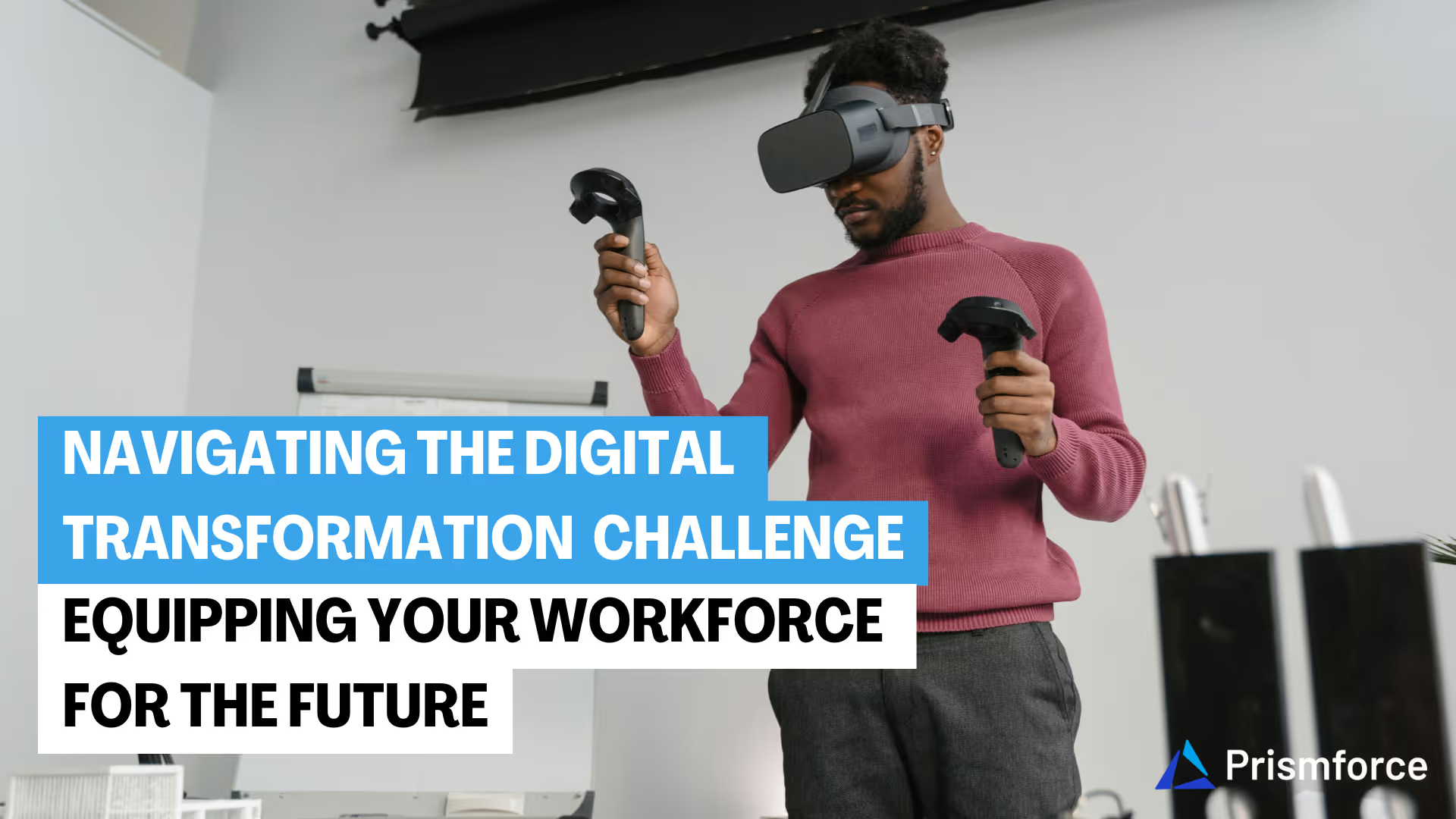
Navigating the Digital Transformation Challenge: Equipping your Workforce for the Future
Understanding the digital transformation challenge
In a world where 85% of the jobs that will exist in 2030 haven't been invented yet (Dell Technologies), the urgency of digital transformation has never been more apparent.
Yet, a staggering 70% of all digital transformation initiatives fall short of their goals (BCG), costing companies millions in wasted resources and lost opportunities. The crux of this challenge? People. While 87% of companies think digital will disrupt their industry, only 44% feel adequately prepared for the digital transformation to come (Capgemini).
As we stand on the precipice of the Fourth Industrial Revolution, one thing is clear: the future belongs to organizations that can successfully equip their workforce with the skills and mindset needed to thrive in an increasingly digital landscape. But how exactly can companies bridge this glaring preparedness gap and ensure their workforce is future-ready?
The impact of digital transformation on the workforce
The advent of digital transformation has profoundly impacted the workforce, presenting both challenges and opportunities. On one hand, it has disrupted traditional job roles and created a demand for new skills, such as data analytics, cybersecurity, and cloud computing. This shift has led to a widening skills gap, where existing employees may lack the necessary expertise to thrive in the digital era.
On the other hand, digital transformation has opened doors to innovative work models, remote collaboration, and enhanced productivity. Employees can now access vast repositories of knowledge, leverage advanced tools, and streamline processes, enabling them to work more efficiently and effectively.
Key challenges in equipping the workforce for the future
Navigating the digital transformation challenge requires addressing several key obstacles. One significant hurdle is the rapid pace of technological change, which can render skills obsolete before organizations have the opportunity to upskill their workforce adequately. According to this survey, organizations that have comprehensive employee training programs have 218% higher income per employee than those who don’t have a formalized training program at hand.
Additionally, the scarcity of specialized talent in emerging fields, such as artificial intelligence and machine learning, poses a significant challenge for organizations seeking to acquire and retain top talent.
Furthermore, the cultural resistance to change can impede the adoption of new technologies and hinder the development of a digitally proficient workforce. Employees may be hesitant to embrace new ways of working, fearing job insecurity or feeling overwhelmed by the learning curve associated with new technologies.
Strategies to navigate the digital transformation challenge
To successfully navigate the digital transformation challenge and equip their workforce for the future, organizations must adopt a multifaceted approach:
Identifying the skills gap and upskilling employees
The first step is to conduct a comprehensive skills assessment to identify the existing gaps within the workforce. This assessment should consider both technical and soft skills, as digital transformation requires a blend of technological proficiency and adaptability.
Once the gaps are identified, organizations can develop tailored upskilling programs, leveraging a combination of:
- In-house training initiatives
- External certifications
- Mentorship programs
- Collaborative learning platforms
These efforts should be ongoing and aligned with the organization's digital transformation roadmap, ensuring that the workforce remains agile and equipped to tackle emerging challenges.
Leveraging technology for workforce development
Ironically, technology itself can play a pivotal role in workforce development for the digital age. Organizations can harness the power of:
- Virtual and augmented reality: To create immersive training environments that simulate real-world scenarios, enhancing knowledge retention and practical application.
- Learning management systems (LMS): To deliver personalized and self-paced learning experiences, catering to diverse learning styles and preferences.
- Artificial intelligence (AI): To analyze employee performance data, identify skill gaps, and recommend tailored learning paths.
By integrating these technologies into their workforce development strategies, organizations can foster a more engaging, efficient, and data-driven approach to upskilling their employees.
The role of leadership in driving digital transformation
Effective leadership is a critical catalyst for successful digital transformation. Leaders must champion the change, articulate a clear vision, and foster a culture of continuous learning and innovation. They should lead by example, embracing new technologies and demonstrating a willingness to acquire new skills themselves.
Additionally, leaders play a crucial role in addressing cultural resistance and fostering an environment that celebrates risk-taking, experimentation, and collaboration. By actively involving employees in the transformation process, leaders can cultivate a sense of ownership and commitment, ultimately driving the organization's digital transformation efforts forward.
Case studies of successful workforce transformation initiatives
To illustrate the strategies in action, let's explore two case studies of organizations that have successfully navigated the digital transformation challenge by equipping their workforce for the future:
- Acme Corporation: Faced with the need to transition from legacy systems to cloud-based solutions, Acme Corporation recognized the importance of upskilling its IT workforce. They implemented a comprehensive training program that combined in-house workshops, external certifications, and mentorship opportunities. Additionally, they leveraged virtual reality simulations to provide hands-on experience with cloud technologies in a risk-free environment. As a result, Acme Corporation successfully migrated to the cloud, minimizing disruptions and maximizing the potential of their workforce.
- TechVentures Inc: Recognizing the importance of fostering a culture of continuous learning, TechVentures Inc. implemented a robust learning management system (LMS). This platform offered personalized learning paths, gamification elements, and collaborative forums, enabling employees to learn at their own pace and engage with peers. Furthermore, TechVentures Inc. integrated AI-powered analytics to identify skill gaps and recommend relevant training resources. This proactive approach ensured that their workforce remained agile and equipped to tackle emerging technologies.
Overcoming resistance to change in the digital age
Despite the best efforts and strategies, organizations may still encounter resistance to change from their workforce. This resistance can stem from various factors, including fear of job insecurity, lack of digital literacy, or simply a preference for familiar processes.
To overcome this resistance, organizations must prioritize effective communication and change management strategies. Clear and transparent communication about the rationale behind the digital transformation, its benefits, and the support available for upskilling can alleviate concerns and foster buy-in from employees.
Additionally, organizations should consider involving employees in the transformation process, soliciting their feedback, and addressing their concerns. By fostering a sense of ownership and empowerment, employees are more likely to embrace change and actively participate in the journey.
The Role of Prismforce
Prismforce, a leading vertical SaaS solution for tech services industries, offers a comprehensive approach to addressing the talent supply chain challenges faced by large tech services organizations. By leveraging Prismforce's AI-powered platform, companies can:
- Identify skill gaps: Gain real-time insights into the skills and expertise required to meet current and future business objectives.
- Optimize training investments: Prioritize training initiatives based on identified skill gaps and business priorities.
- Measure training effectiveness: Track and analyze the impact of training programs on employee performance and business outcomes.
- Facilitate knowledge sharing: Create a collaborative environment where employees can share knowledge and best practices.
By adopting a strategic approach to training and leveraging innovative solutions like Prismforce, organizations can ensure their workforce remains agile, adaptable, and equipped to drive sustainable growth in an ever-changing business environment.
Get exclusive access to workforce and talent insights
Thank you! Your submission has been received!
Oops! Something went wrong while submitting the form.
Demo Prismforce products
Get in touch with our experts and sign up for a demo

.avif)