OutlookPrism: AI-Powered Workforce Forecasting & Planning Platform
Turn Demand Signals into a Proactive Workforce Strategy.
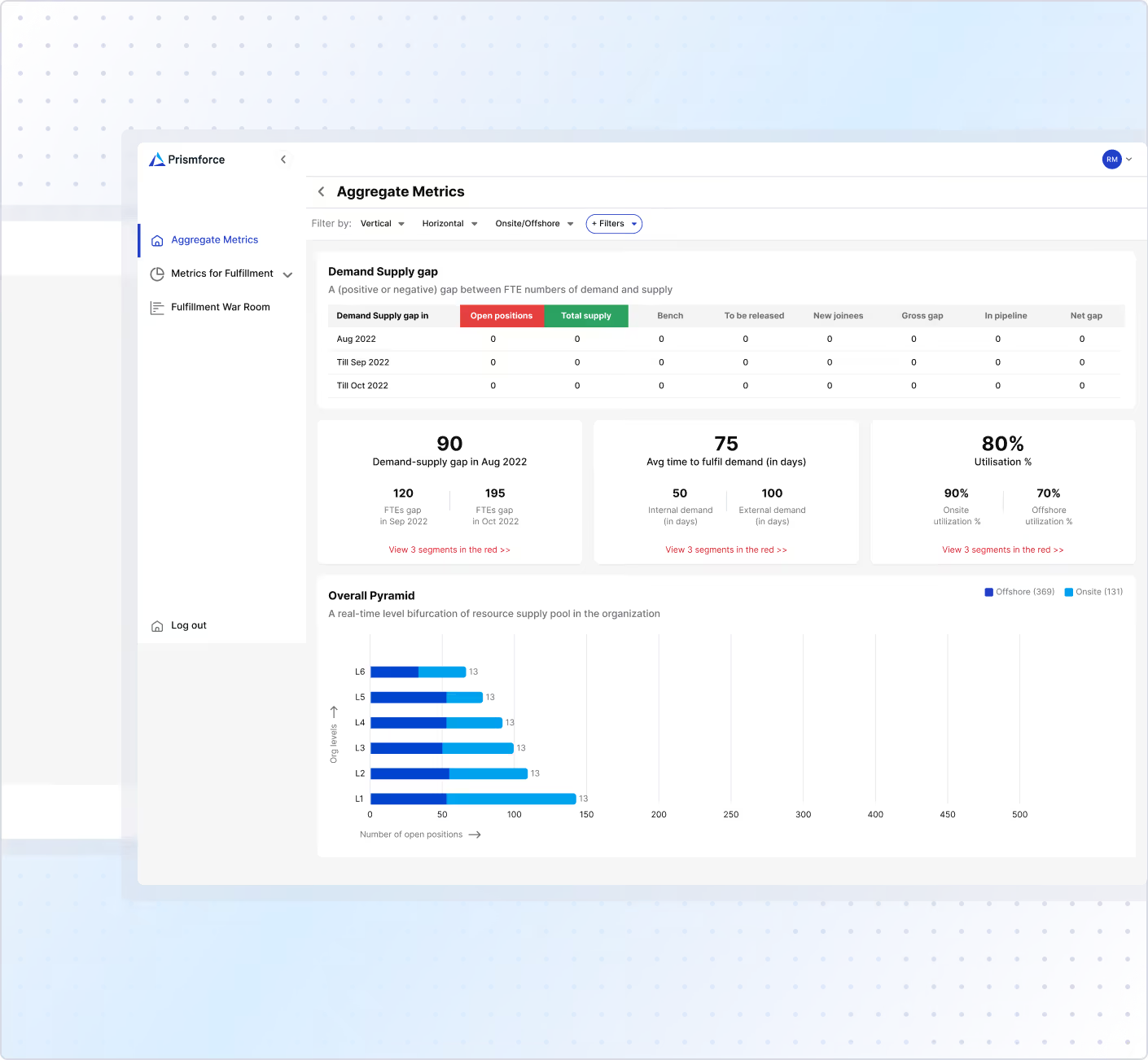
Connect business demand with talent readiness through AI that continuously forecasts workforce needs, aligns capacity to demand, and identifies future skill gaps. Improve project readiness, increase utilization, and enable proactive hiring and reskilling at scale.
.avif)
The Demand–Supply Visibility Gap
Manual forecasting and disconnected systems create blind spots that leave organizations reacting to talent shortages instead of preventing them.

Forecast at Skill-level. Optimize Fulfillment. Execute with Confidence.
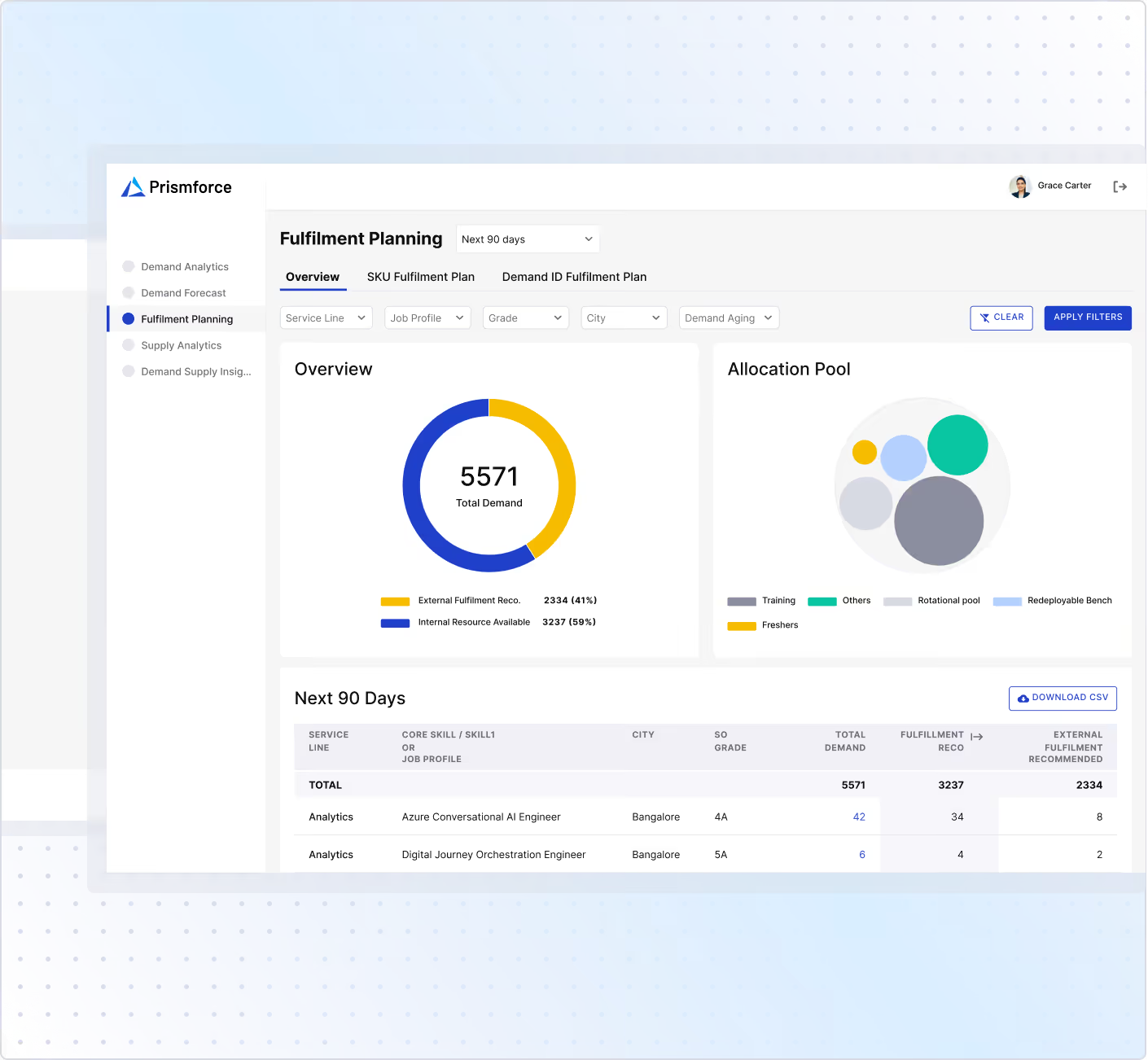
OutlookPrism connects CRM, HRMS, resource management, and financial systems to create unified demand-supply intelligence. AI/ML models analyze pipeline, attrition, and growth trends to forecast role-skill-location demand across short- and long-term planning cycles.
.avif)
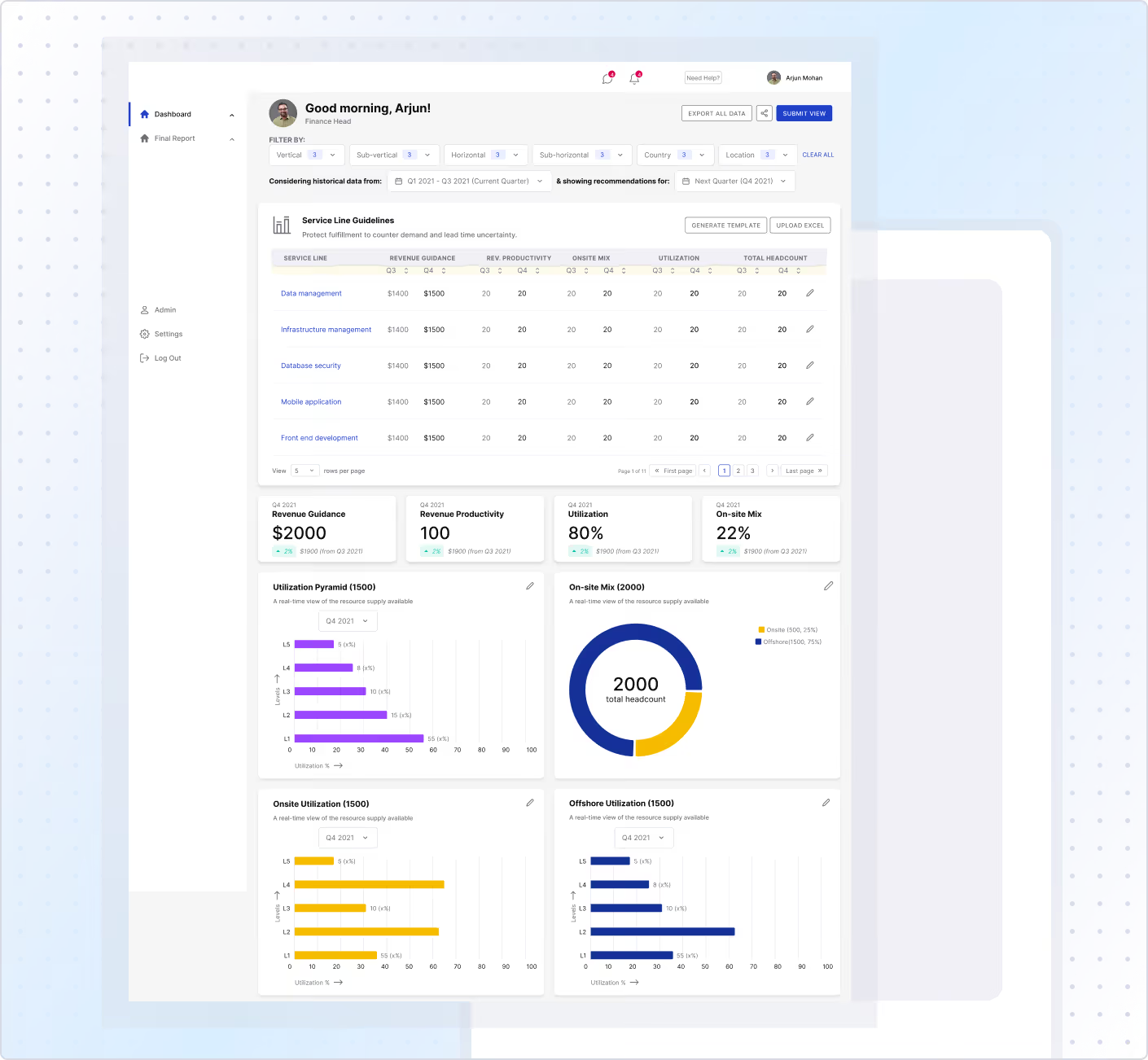
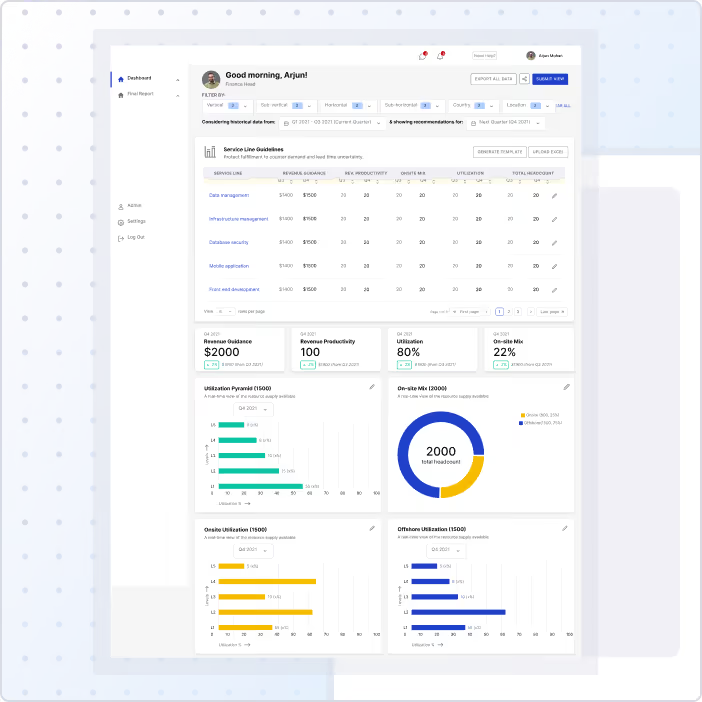
Interlock Revenue and Talent Plans
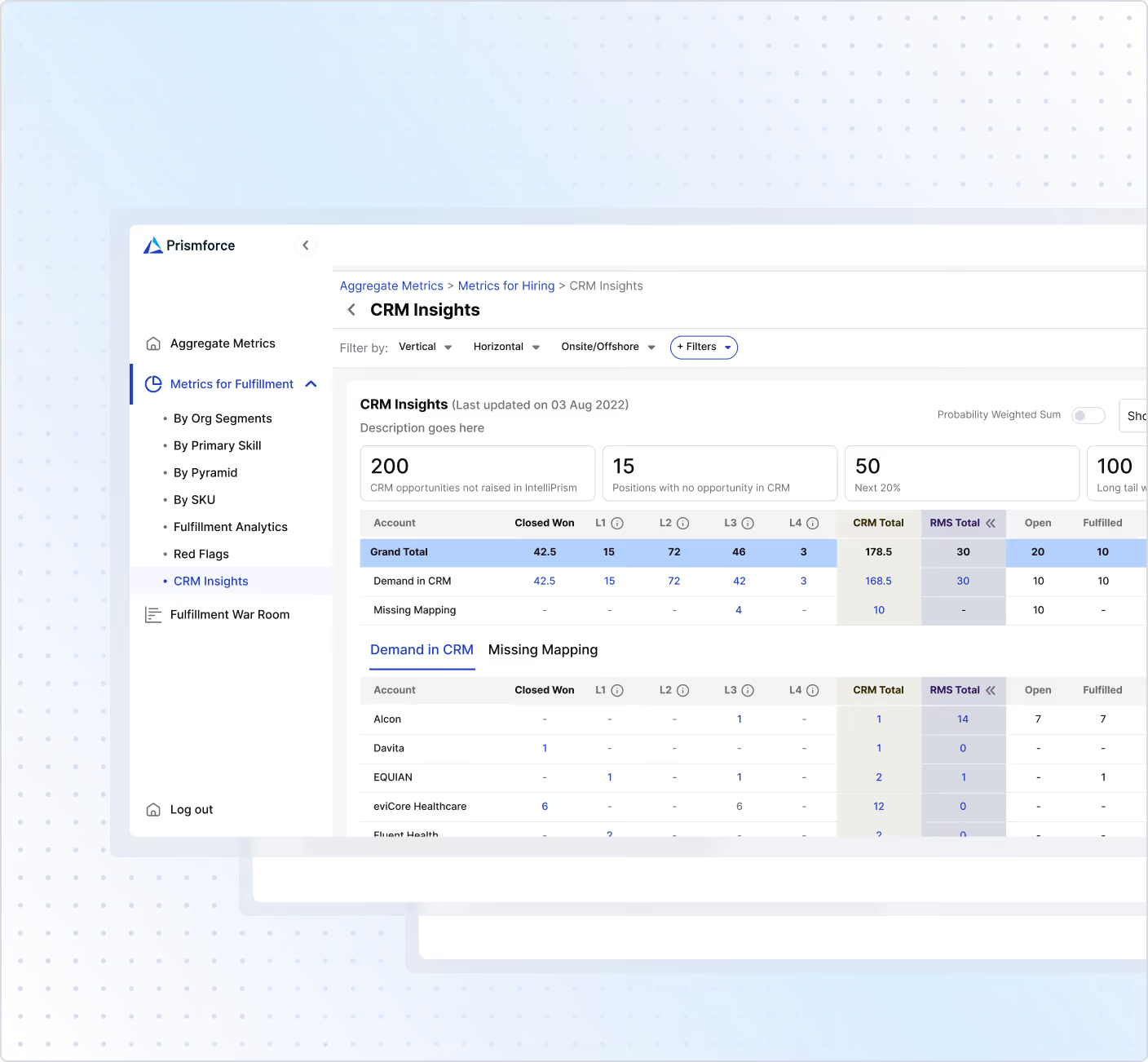
OutlookPrism links sales pipeline signals with workforce capacity to ensure revenue plans are backed by available skills. By aligning deal confidence, pipeline movement, and delivery readiness, teams can plan hiring and reskilling with greater clarity and avoid over- or under-staffing.
.avif)
Proven business impact
OutlookPrism combines demand signals, ML-driven forecasts, and intelligent fulfilment to deliver role-skill-location hiring and reskilling plans ahead of demand. It helps prioritize internal fulfilment, predict attrition early, reduce premium hiring and subcontracting, maximize utilisation, and protect margins.

Forecast
Predict skill-level demand from pipeline signals and historical patterns
Optimize
Match talent to demand with AI-powered fulfillment recommendations
Execute
Bridge top-down strategy with bottom-up operational plans
Predict Demand Before it Arrives
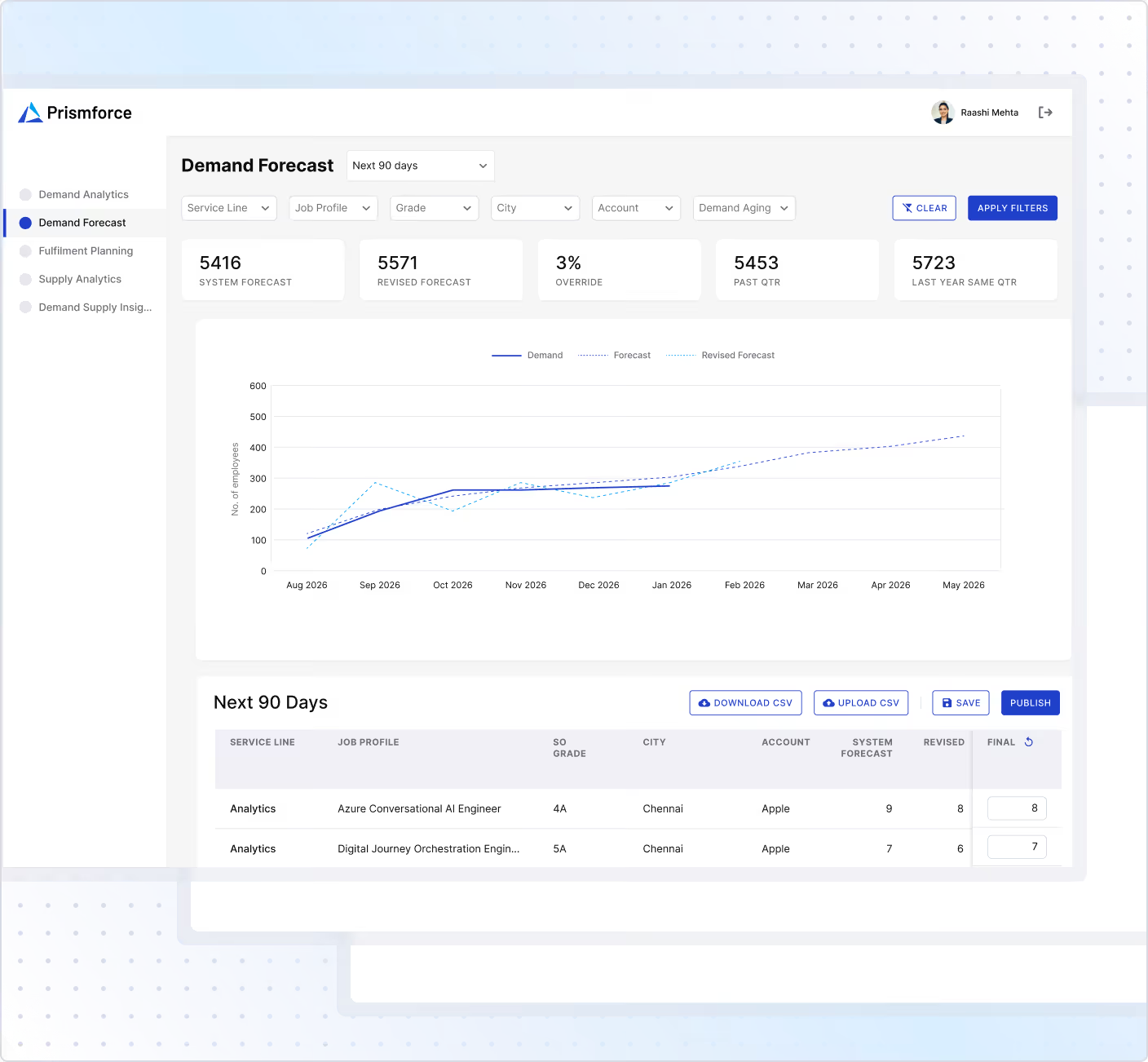
Convert sales pipeline signals into staffing plans. OutlookPrism analyzes opportunity stages, conversion probability, and historical trends to forecast role-skill-location demand before deals close.

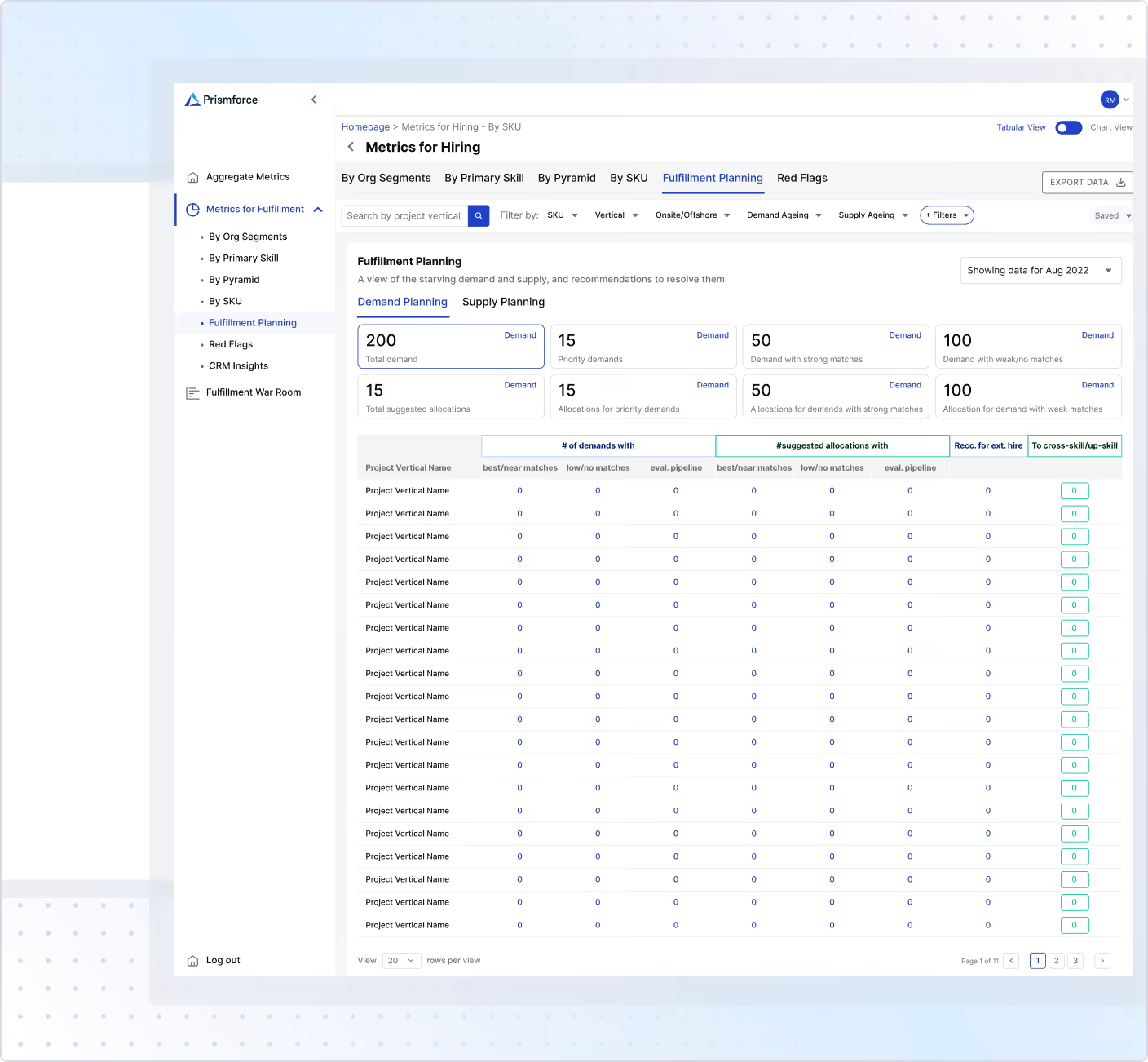
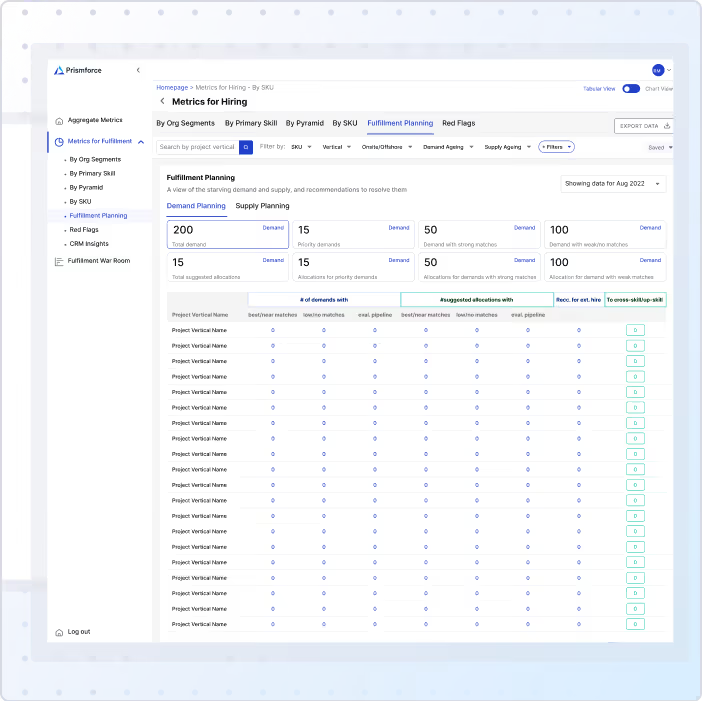
Maximize Internal Fulfillment
Match available talent to open demands intelligently. The fulfillment optimization engine considers 10+ parameters—including skill match scores, availability, deployment dates, demand aging, location, and bill rates—to generate optimal allocation plans that maximize internal fulfillment while reducing time-to-staff and maintaining quality.
Plan with Predictive Intelligence
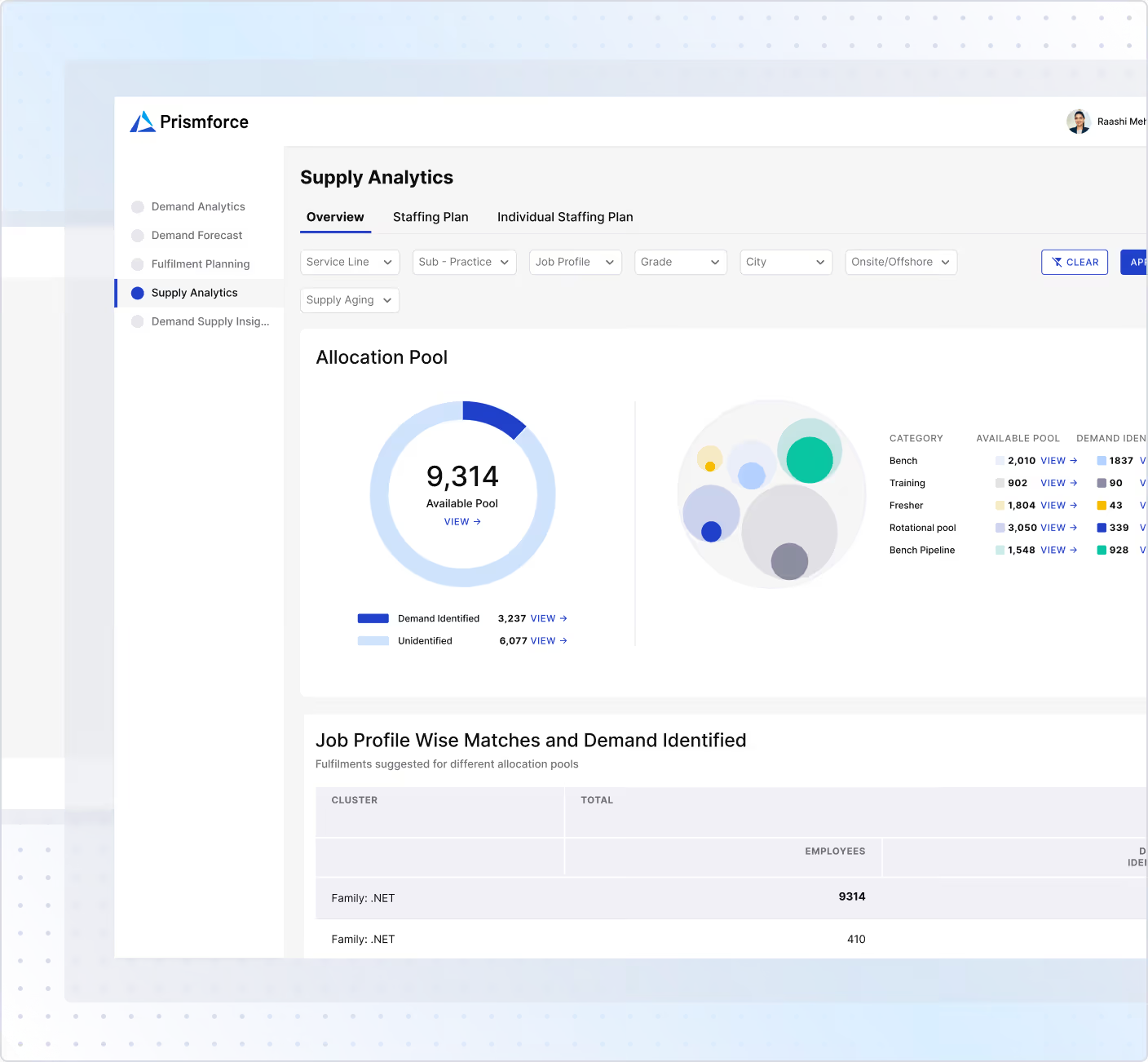
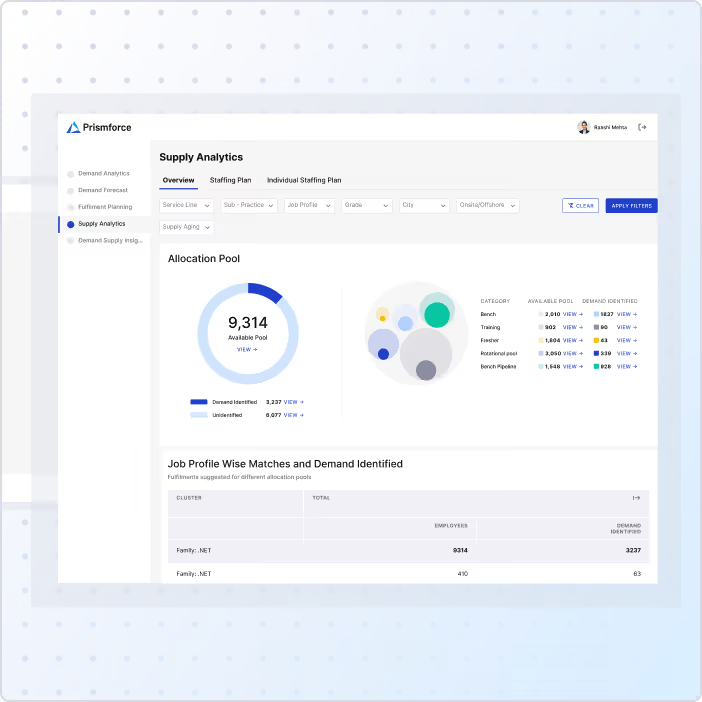
Stop reacting to attrition and demand spikes. OutlookPrism employs ensemble ML models—ARIMA, LSTM, Prophet, and Neural Networks—to forecast attrition, growth, and sales conversion at SKU level, enabling you to build hiring and reskilling plans that align with business reality, not guesswork.
Unite Strategy and Execution
Bridge strategic planning and operational reality. Combine financial and operational guardrails with bottom-up team inputs to create unified workforce plans supported by ML-driven recommendations.
Enable Proactive Hiring and Learning
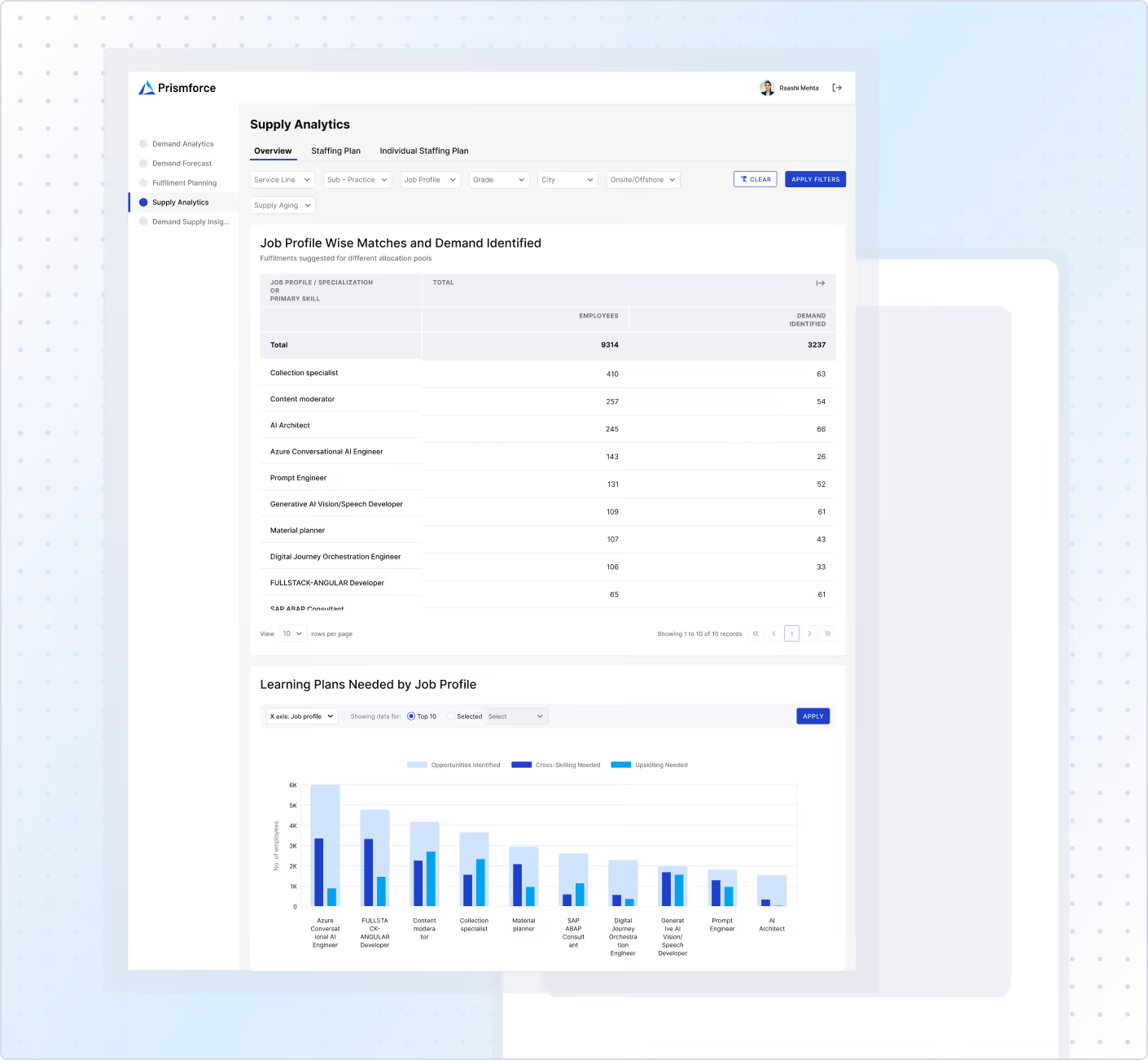
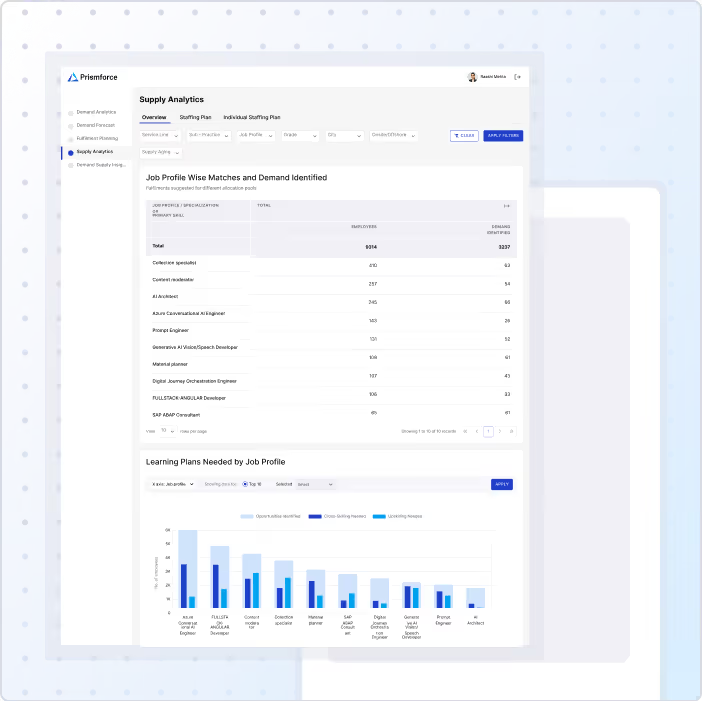
Build proactive hiring plans for priority skills and targeted reskilling plans for critical roles. Share demand insights with recruiting partners to align external hiring capacity with future skill needs.
AI/ML Models That Turn Data into Predictive Intelligence
OutlookPrism deploys specialized machine learning models that continuously analyze your talent ecosystem to forecast demand, supply, attrition, and optimal resource allocation.
Attrition Forecasting
Predict role-skill-location level attrition using historical data, seasonality, manager ratings, satisfaction scores, and compensation benchmarks.
Growth Forecasting
Forecast headcount growth at SKU level based on historical patterns, market conditions, service mix changes, and demand signals.
Sales Forecasting
Predict opportunity conversion probability and timing using pipeline progression, historical win rates, and account engagement patterns.
Supply Forecasting
Model future talent availability considering attrition, promotions, rotations, hiring pipelines, and reskilling initiatives.
Fulfillment Optimization
Generate optimal allocation plans using advanced algorithms that balance multiple business priorities and constraints simultaneously.
Demand Cancellation
Predict cancellation of projects, demands to focus and prioritize on real demand vs the noise
AI Agents for Workforce Planning and Fulfilment
OutlookPrism deploys specialized AI agents that continuously monitor demand signals, talent supply, cost guardrails, and risk indicators to build optimized workforce plans and automatically trigger the actions needed to keep delivery aligned with business priorities.
Build project teams within defined cost guardrails while maximizing utilization across the organization
3–5% uplift in billable utilization.
Identify SKU-level demand risks, flag at-risk roles, and create de-risking plans using available internal supply pools
3–5% uplift in billable utilization.
Generate optimized fulfilment plans and trigger auto-actions such as reskilling initiation, hiring requirement creation, and intelligent resource allocation
3–5% uplift in billable utilization.
Business Impact Across the Talent Lifecycle
Align Workforce Strategy with Business Goals
Gain unified visibility into demand-supply dynamics across the enterprise. Reduce hiring premiums through proactive planning, maximize internal fulfillment, and make confident resource decisions backed by predictive intelligence.
Execute Faster with Intelligent Fulfillment
Stop firefighting staffing gaps. Get optimal allocation recommendations that consider skills, availability, priority, and business impact—reducing time-to-staff while maximizing internal resource utilization.
Hire Strategically, Not Reactively
Shift from responding to requisitions to executing against predictive hiring plans. Get early signals on upcoming demand and skill-level hiring needs—enabling proactive sourcing and reducing premium hiring costs.
Plan with Precision, Execute with Confidence
Connect workforce plans to financial guardrails. Set top-down targets, reconcile bottom-up projections, and track workforce investments against business outcomes—ensuring alignment between talent strategy and financial objectives.
Turn Workforce Planning into Competitive Advantage
Move from reactive staffing to strategic workforce planning—with skill-level forecasting that connects sales signals, talent availability, and business priorities into executable hiring and reskilling plans.
