5 Mins Read
Integration with Learning Management Systems (LMS): Linking Performance to Training Initiatives
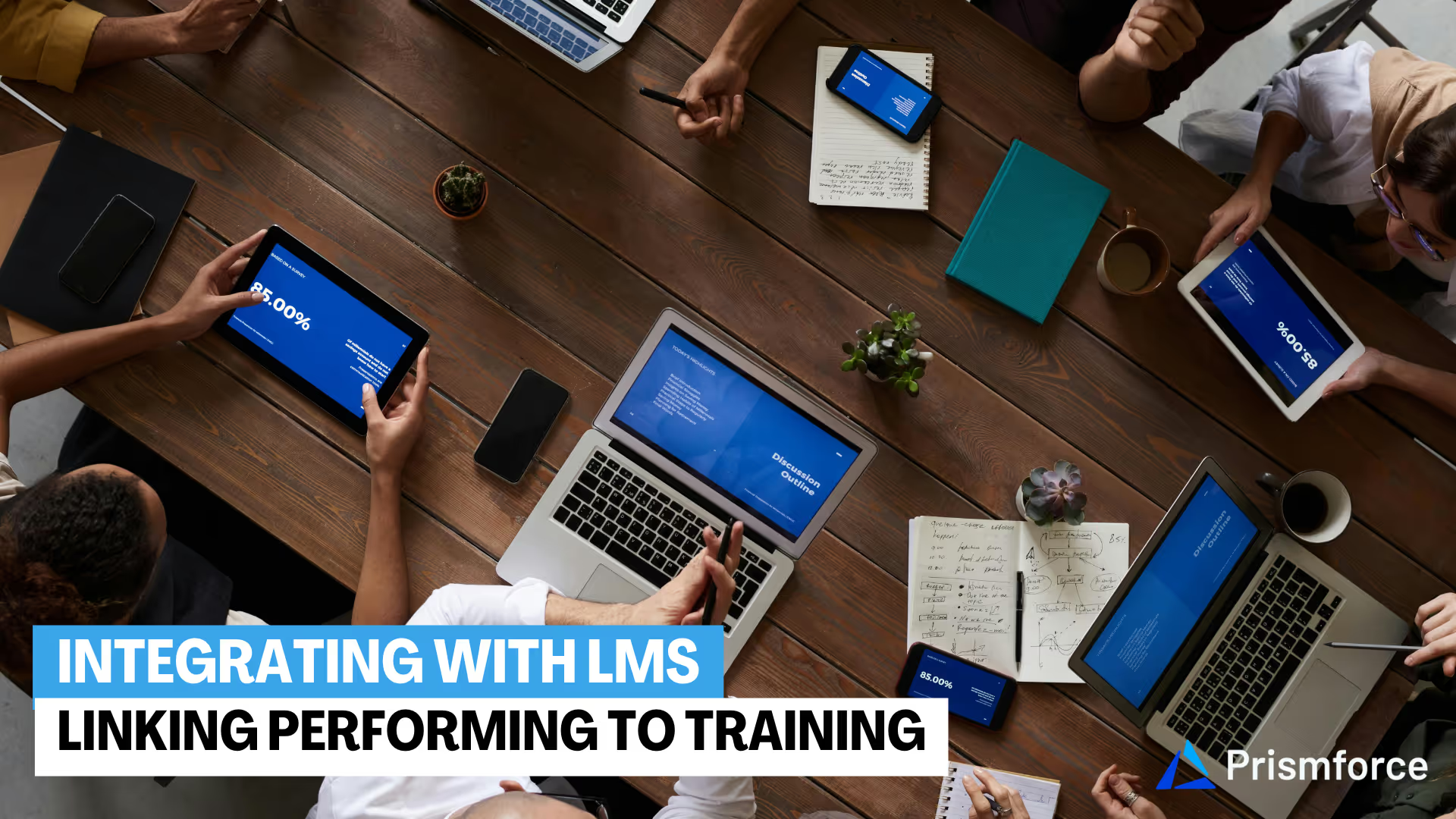
Integrating Learning Management Systems (LMS) with employee performance data is quickly becoming a game-changer for organizations aiming to build a more agile and skilled workforce. By directly linking training efforts to real-time performance metrics, companies can ensure that learning programs are relevant and precisely targeted to fill specific skill gaps. This approach boosts engagement, increases retention, and ultimately drives overall performance.
The shift toward data-driven learning is reshaping talent intelligence strategies. Research shows that companies using big data analytics see a 10-20% increase in employee productivity. These figures underline the growing importance of aligning learning initiatives with actual performance outcomes. In this article, we’ll explore the advantages of integrating LMS with performance data and offer actionable steps for organizations to adopt this approach successfully.
Enhancing Training Initiatives Through LMS Integration
LMS integration plays a pivotal role in improving the effectiveness of training initiatives by aligning them with real-time employee performance data. This helps organizations address skill gaps more efficiently and ensures that training programs are constantly updated based on employee needs.
Seamless Data Flow for Targeted Training
Integrating LMS with performance management systems creates a seamless flow of data between platforms, making it easier for HR teams to analyze employee performance in real time. This integration ensures that training programs are automatically updated based on ongoing assessments, allowing employees to focus on areas where they need the most improvement.
Automated Enrollment Based on Skill Gaps
One of the key benefits of LMS integration is the ability to automate course enrollment based on identified skill gaps. When performance data reveals areas for improvement, the system automatically enrolls employees in the most relevant training modules. This reduces manual intervention and ensures that every employee gets the right training at the right time.
Personalizing Learning Paths with Performance Data
Tailoring learning to individual employees has become essential for improving workforce performance. Integrating LMS with performance data enables organizations to offer personalized learning paths that directly address employees’ skill gaps, creating a more relevant and engaging learning experience.
AI-Driven Personalized Learning Paths
AI-driven insights from performance reviews allow organizations to create personalized learning journeys for each employee. By analyzing performance data, such as past evaluations, skill assessments, and progress reports, AI can recommend specific training modules that align with an employee’s current needs and future career aspirations. This results in more focused development programs that enhance productivity and engagement.
Some benefits of personalized learning paths include:
- Targeted skill development: Employees receive training that addresses their individual gaps.
- Increased engagement: Personalized content leads to 4x more engagement in learning.
- Better retention: Companies investing in personalized learning report a 57% improvement in employee retention.
Dynamic Learning Adjustments
Real-time performance data integration allows for dynamic adjustments to learning paths. As employees progress through their training, the system continuously evaluates their performance, making changes to the learning path as needed. For example, if an employee excels in one area, the system may reduce focus on that skill and introduce new, more challenging topics. This ensures that training remains relevant and adaptive to evolving skill requirements.
Key features of dynamic learning paths include:
- Real-time updates: Training modules adjust as employees progress.
- Continuous alignment with role needs: Learning paths evolve with job responsibilities.
- Improved agility: Organizations can quickly respond to skill shifts and emerging trends.
By using real-time data to drive these changes, organizations can ensure that their employees are always developing the skills most critical to their success.
The Role of AI and Data Analytics in LMS and Performance Integration
AI and data analytics are transforming how organizations approach training and development. By integrating LMS with performance management tools, businesses can harness AI to predict future skill gaps and provide real-time feedback to employees, creating more dynamic and effective learning experiences.
Predictive Analytics for Training Needs
AI-powered predictive analytics enables organizations to forecast skill gaps before they impact performance. By analyzing historical performance data, workforce trends, and even external market shifts, AI can recommend training initiatives that address future needs. This proactive approach allows companies to prepare their employees for emerging challenges, rather than reacting to skill shortages after they occur.
- Workforce planning: AI analyzes data to predict which skills will be in demand, ensuring training efforts align with future business needs.
- Pre-emptive development: Training can be deployed before skill gaps affect productivity, keeping teams agile and competitive.
Real-Time Insights and Feedback Loops
The integration of LMS with performance management tools provides continuous, real-time insights into employee progress. As employees complete training modules, AI and data analytics track their performance and provide immediate feedback. This accelerates the learning process by ensuring employees can correct mistakes or focus on areas of improvement instantly, rather than waiting for formal reviews.
- Instant feedback: Employees receive immediate insights into their performance, which boosts engagement and accelerates learning.
- Ongoing adjustments: LMS platforms adjust training content based on real-time feedback, ensuring continuous improvement.
By leveraging AI and data analytics, organizations can create more agile, responsive learning environments that keep pace with evolving skill requirements.
Practical Benefits of LMS and Performance Integration
The integration of LMS with performance data brings significant, tangible benefits to both employees and organizations. By linking training directly with performance insights, companies can enhance engagement, foster skill development, and scale learning across large teams without compromising personalization.
Increased Employee Engagement and Retention
When training is aligned with performance data, it becomes more personalized and relevant to each employee's career growth. This personalized approach boosts employee engagement, as learning is no longer generic but tailored to individual needs and aspirations. Employees are more likely to remain with an organization when they see that their development is being prioritized in a meaningful way.
- Personalized learning experiences: Employees stay engaged when training aligns with their goals.
- Higher retention rates: Companies that focus on career growth through data-driven learning initiatives see retention rates increase. Seven in 10 employees said learning improves their sense of connection to their organization, while eight in 10 stated it adds purpose to their work.
Efficient Workforce Development
Performance-linked LMS platforms allow organizations to focus training efforts on developing the skills that are immediately relevant to the business. This ensures that training initiatives are not only personalized but also strategically aligned with organizational goals. The result is a more productive workforce, capable of adapting quickly to changing business needs.
- Targeted skill development: Training based on real-time performance data ensures employees develop critical skills faster.
- Increased agility: With ongoing performance training, organizations can pivot quickly to address new challenges or market shifts.
Scalable Learning for Large Teams
One of the major advantages of LMS and performance integration is its scalability. Whether an organization has teams spread across departments, geographies, or even time zones, the integration allows for consistent training delivery. Despite large-scale rollouts, LMS platforms ensure that learning remains personalized, catering to individual employee needs while scaling efficiently across the organization.
- Personalized at scale: The integration allows training to remain relevant for each employee, even in large organizations.
- Global reach: Performance-linked LMS systems can deploy training initiatives across various locations without compromising on quality or relevance.
Steps to Implementing LMS Integration
To successfully implement LMS integration, organizations should follow a structured approach. Here are the key steps to ensure a smooth and effective integration process:
- Define Key Integration Objectives: Clearly outline your integration goals to ensure the system supports business needs and enhances employee performance.
- Begin by clearly identifying the goals of your LMS and performance management integration.
- Understand what you want to achieve—whether it’s improving employee engagement, upskilling, or enhancing workforce agility.
- Setting clear objectives will help guide the process and ensure alignment with business needs.
- Choose the Right Tools and Technologies: Select an LMS with strong integration features, ensuring compatibility and scalability for future training needs.
- Select an LMS platform that offers robust integration features, such as API-driven data flows and performance management compatibility.
- Ensure the chosen tool allows for seamless data synchronization between performance management systems and LMS for real-time insights.
- Consider tools that can scale with your organization and offer the flexibility to adapt to evolving training needs.
- Pilot, Measure, and Scale: Run a small pilot, track key metrics, and, once successful, expand the integration to the entire organization.
- Start with a small-scale pilot to test the integration process and assess its impact.
- Measure key metrics such as employee engagement, completion rates, and learning outcomes during the pilot phase.
- Once validated, roll out the integration across the organization to ensure all employees benefit from personalized learning paths.
Conclusion
Successfully integrating an LMS with performance data can transform how organizations approach learning and development, leading to improved employee engagement, upskilling, and agility. By following a structured approach—defining clear objectives, selecting the right tools, and scaling through a pilot phase—businesses can ensure their LMS integration meets organizational needs and drives measurable results.
Prismforce further simplifies this process by offering tailored implementation and integration services. Our platform uses an API-first approach, allowing seamless connectivity with Learning Management Systems (LMS). We support the creation of custom workflows, and role-based decision support, and offer over 20 pre-built APIs to adapt to organizational needs. This ensures a smooth and scalable integration process that accelerates digital transformation and enhances workforce management.
Get exclusive access to workforce and talent insights
Thank you! Your submission has been received!
Oops! Something went wrong while submitting the form.
Demo Prismforce products
Get in touch with our experts and sign up for a demo

.avif)